


Line cleaning guide
Beer lines need regular cleaning to remove yeast, residue, and bacteria that can spoil flavour, cause hygiene issues, and lead to poor pours.
Clean lines keep beer tasting as the brewer intended, reduce waste from excess foam, protect dispense equipment, and ensure every pint served meets the pub’s quality standards.
On this page, you'll find a line cleaning guide for both keg and cask lines.
Health & Safety
Before cleaning your lines, please read the below health and safety instructions
Clean all lines at least every 7 days.
Always make a fresh detergent mix.
Never clean lines when customers are present.
Goggles, gloves and an apron must be worn.
Never use glassware for measuring beer line cleaner- use a dedicated jug, that is clearly labelled and used for nothing else.
Cleaning cask lines

1. Gas pumps
Turned on (if fitted)

2. Disconnect
Place lines in clear water

3. Flush beer
Use clean water to remove beer from lines

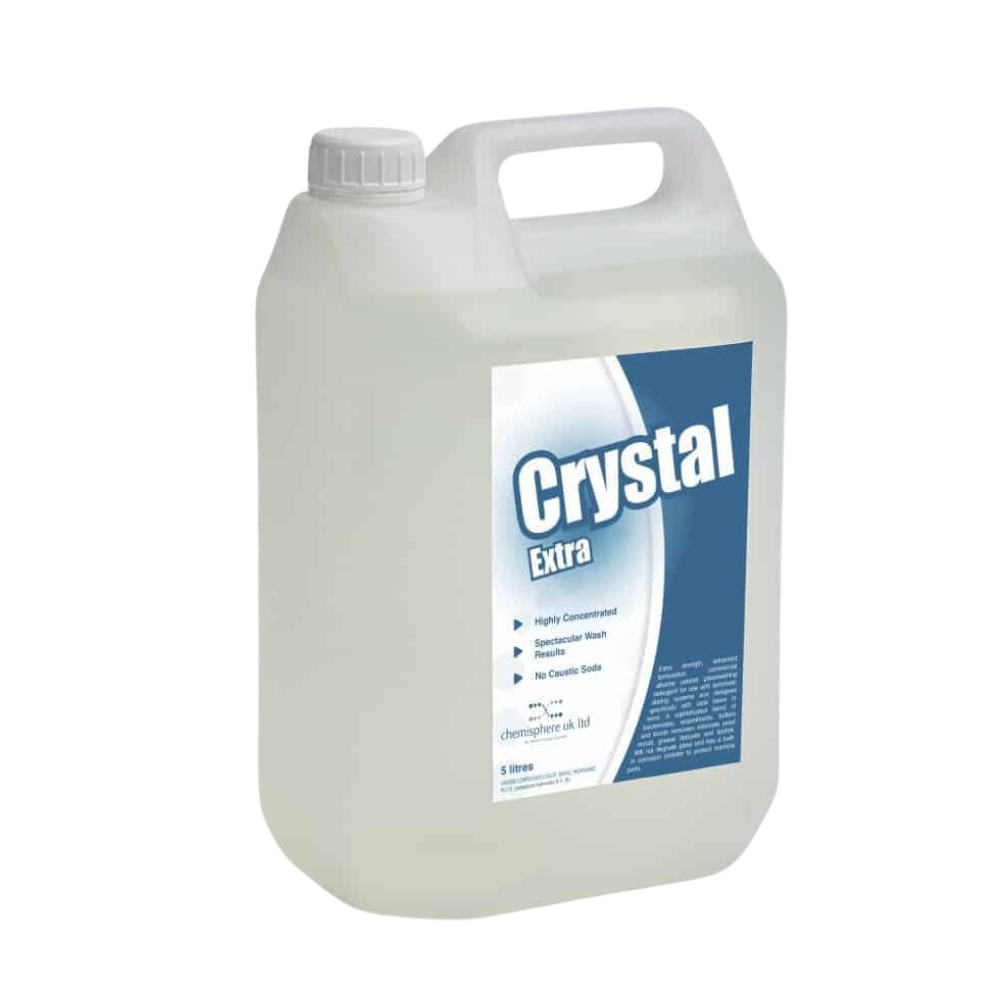
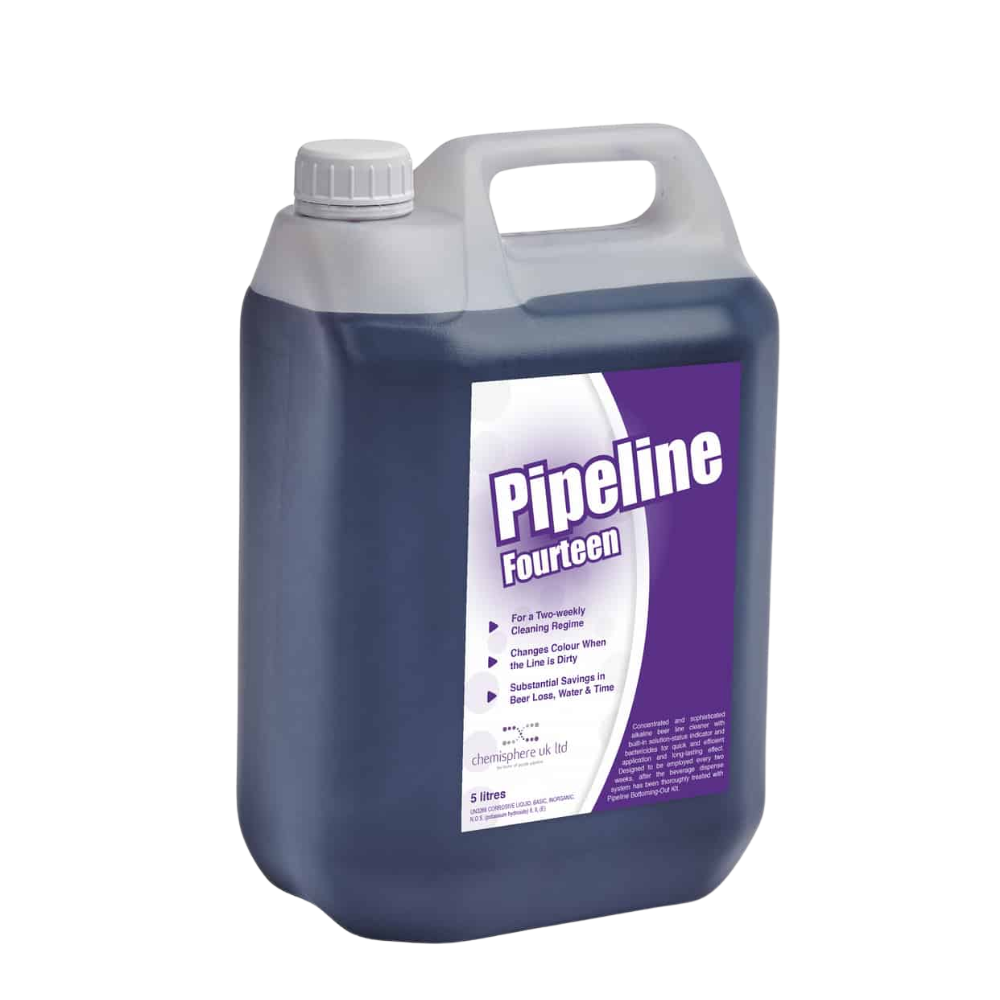
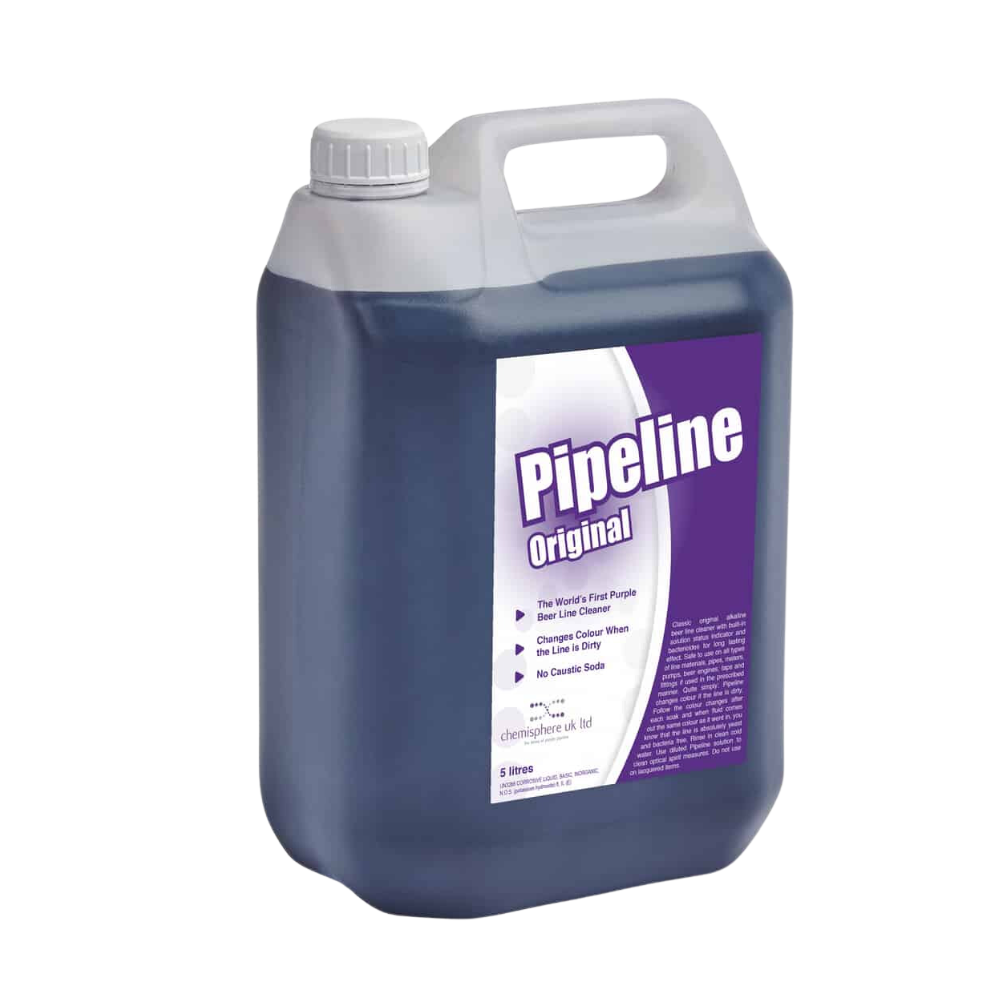
4. Line cleaning detergent
Add recommended line cleaning detergent at the correct strength

5. Fill lines
Pull detergent solution through to the bar

6. Timings
Total contact time of 30 mins. Pull through every 10 mins.
7. Remove line cleaner
Flush lines out with 10 litres of clean water per tap
8. Re-connect
Re-connect lines to correct casks

9. Fill lines
Pull product through to the bar

10. Sample
Perform a CATT (Clarity, Aroma, Temperature, Taste) test to ensure beer quality
CLEANING KEG LINES

1. Product Gas
Turned off

2. Coupling Heads
Connect to cleaning sockets

3. Line cleaning ring gas pump
Turned on
(if fitted)

4. Lines
Use clean water to remove beer from lines

5. Sprouts / sparklers
Remove & clean
6. Line cleaning detergent
Add recommended line cleaning detergent at the correct strength

7. Line primer
Pass solution through top of line primer

8. Fill lines
Pull solution through to the bar
9. Timings
Total contact time of 30 mins. Pull through every 10 mins.
10. Remove line cleaner
Flush lines out with 10 litres of clean water per tap
11. Sprouts / Sparklers
Replace sprouts & sparklers

12. Coupling Heads
Reconnect couplers to correct product
13. Product gas
Turned back on
14. Line primer
Fill with product
15. Fill lines
Pull product through to the bar.
Caution: do not leave water in lines over night to avoid risk of lines freezing